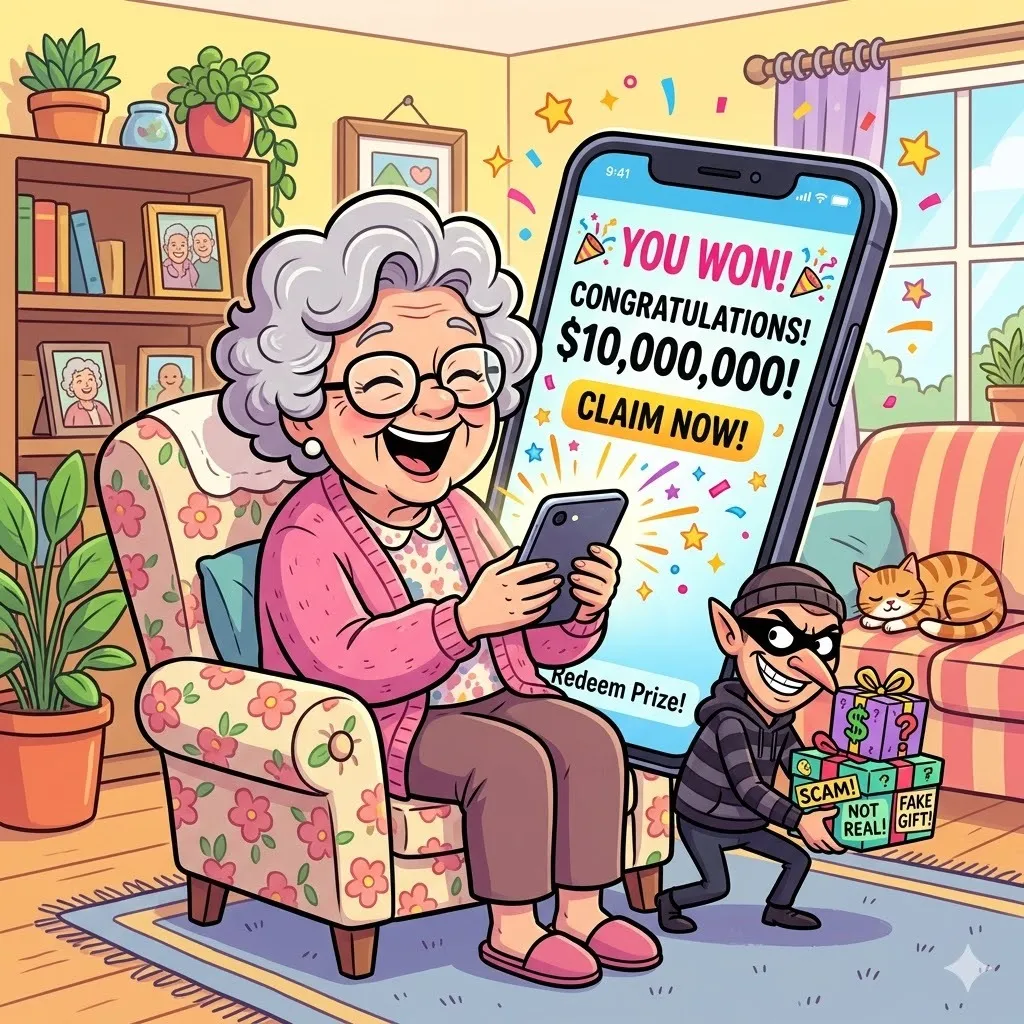
Why “Too Good to Be True” Online Offers Are Almost Always Scams
Scammers often use attractive offers to create urgency and excitement. Recognizing these patterns helps you avoid costly mistakes.
Imagine This Scenario
You see a message:
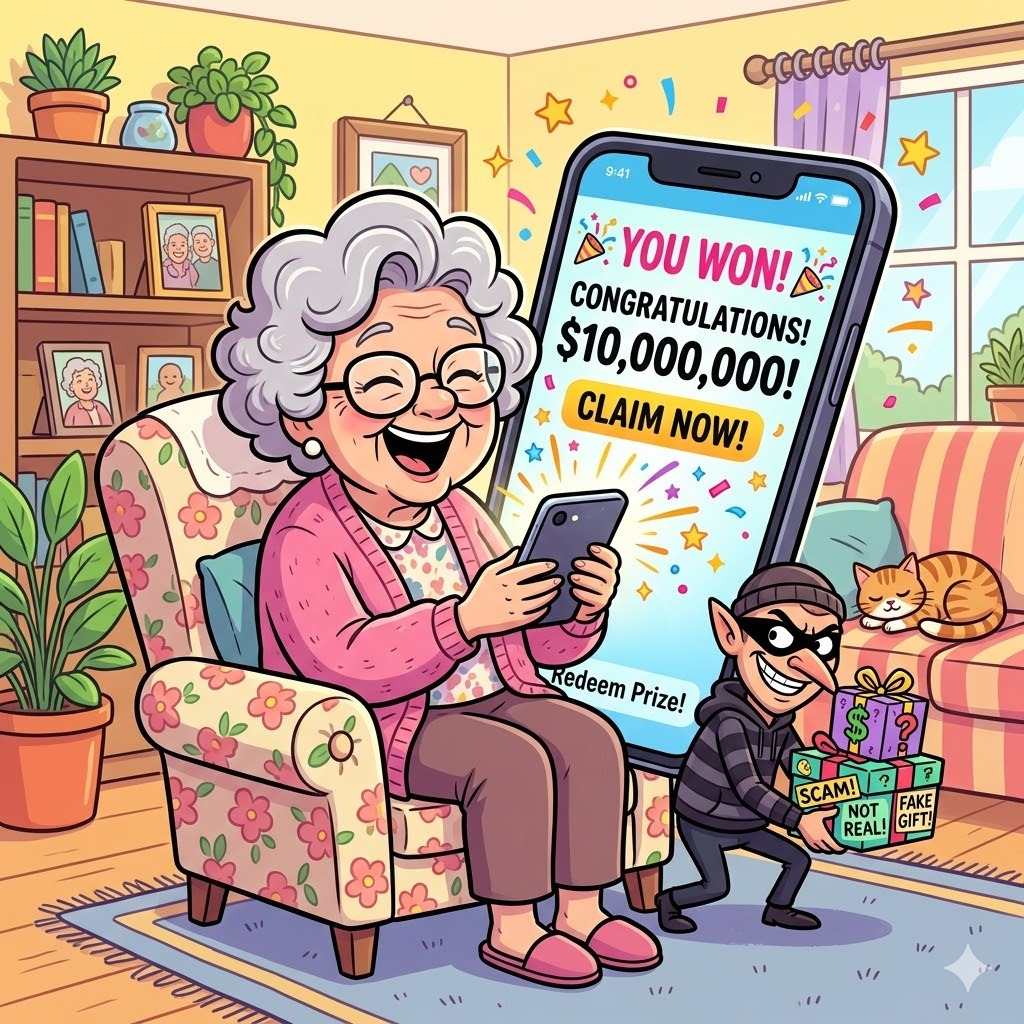
“Congratulations! You’ve won a ₱10,000 voucher!”
No effort.
No entry.
Just a link to claim it.
It feels exciting.
But also… a little suspicious.
Pause.
Let’s look at why these offers are almost always scams.
1. Scammers Use Excitement to Lower Your Guard
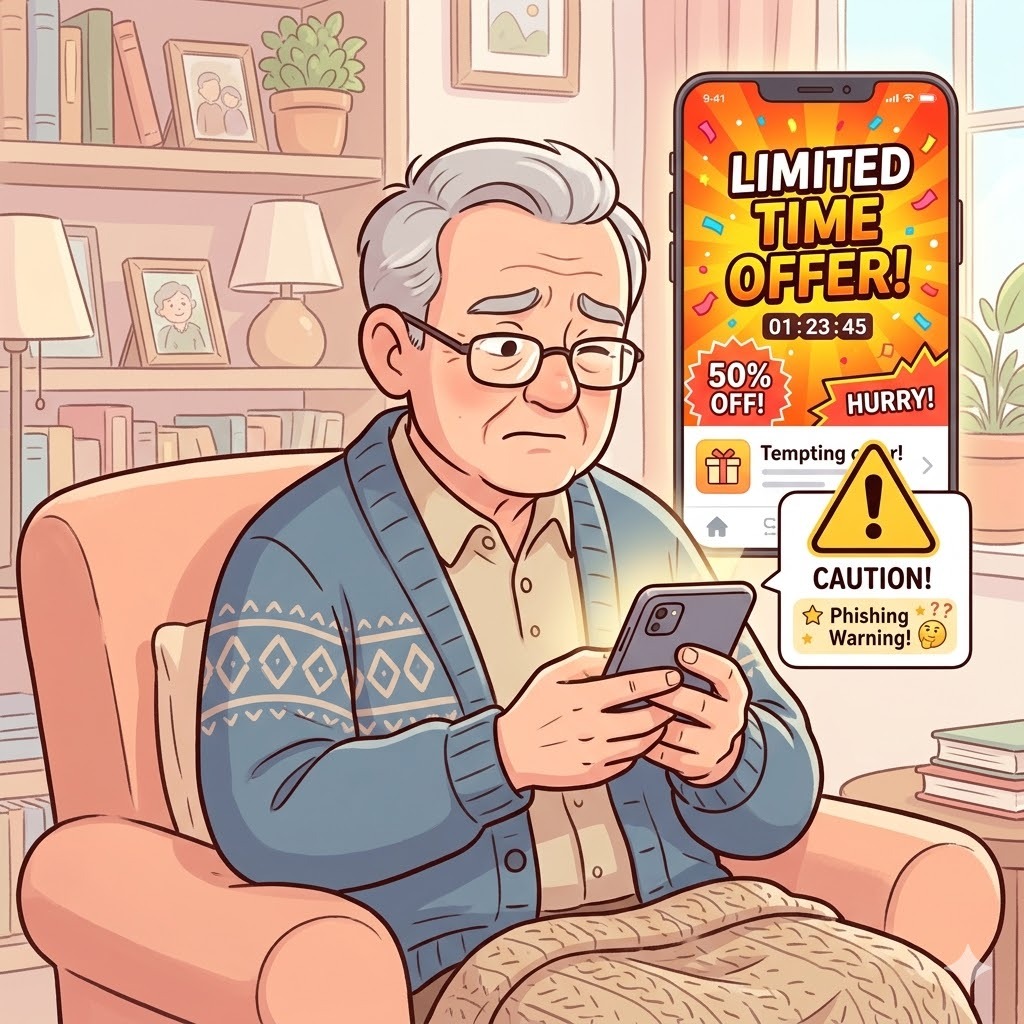
Scams are designed to make you act quickly.
They use:
prizes
discounts
urgent rewards
This creates emotional pressure.
✔️ Rule: If you didn’t enter anything, you didn’t win anything.
2. Fake Links Look Real
Scam links often imitate real companies.
Example:
real: amazon.com
fake: amaz0n-offers.com
✔️ Try This (iPhone & Android):
Don’t tap the link
Open your browser
Type the official website manually
“Need a hand? Your friends at FriendlyHelp are just a click away—book your appointment
3. They Ask for “Small Fees”
Common trick:
“Pay ₱100 for delivery.”
Then:
more charges appear
your card details get stored
✔️ Rule: Legitimate prizes don’t require payment.
4. Messages Come Unexpectedly
If the message:
appears suddenly
comes from unknown numbers
or looks random
Treat it as suspicious.
✔️ Try This:
Ignore or delete it.
FAQ
Q1: Are all promotions scams?
No — but unexpected ones should be verified.
Q2: What if the message looks official?
Scammers copy logos and branding convincingly.
Q3: What should I do if I clicked the link?
Change passwords and monitor your accounts.
The 5 “Too Good to Be True” Rules
• If you didn’t enter, you didn’t win
• Never click unknown links
• Don’t pay to claim rewards
• Verify through official websites
• When unsure, ignore
FriendlyHelp helps individuals recognize scam patterns early — before small clicks turn into big problems.
