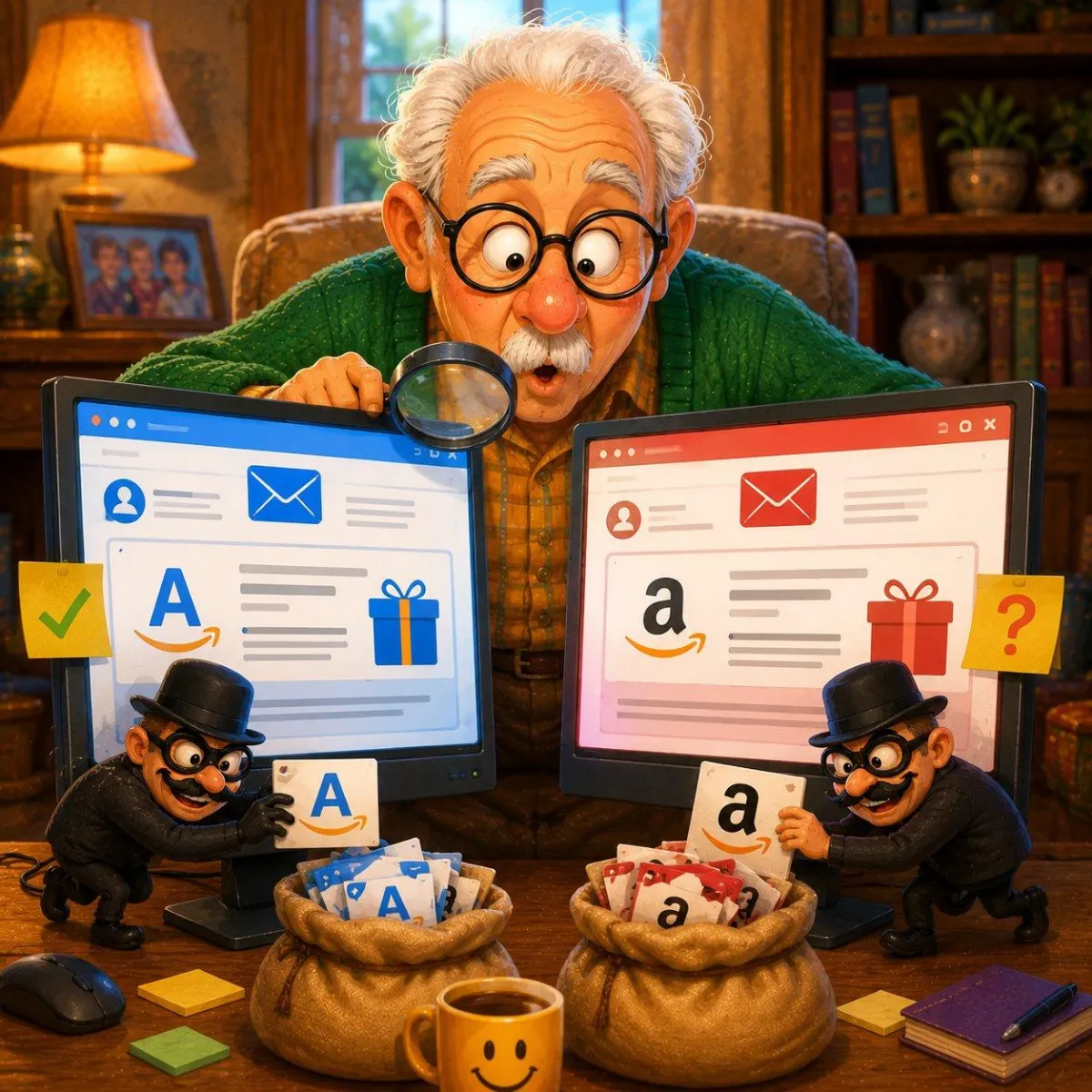
Why Do Fake Emails Look So Real Now?
Modern scam emails often copy real company logos, colors, and language to appear trustworthy. Knowing what details to check can help you spot fake messages before they cause problems.
Imagine This Scenario
You receive an email that looks exactly like it came from:
your bank
Amazon
Netflix
PayPal
The logo looks real.
The design looks professional.
Everything feels normal…
except something feels slightly off.
That small feeling matters.
1. Scammers Copy Real Branding
Modern scammers are much more sophisticated than older spam messages.
They often copy:
logos
colors
layouts
fonts
to imitate trusted companies.
✔️ Important:
A professional-looking email is not automatically safe.
“Need a hand? Your friends at FriendlyHelp are just a click away—book your appointment today!
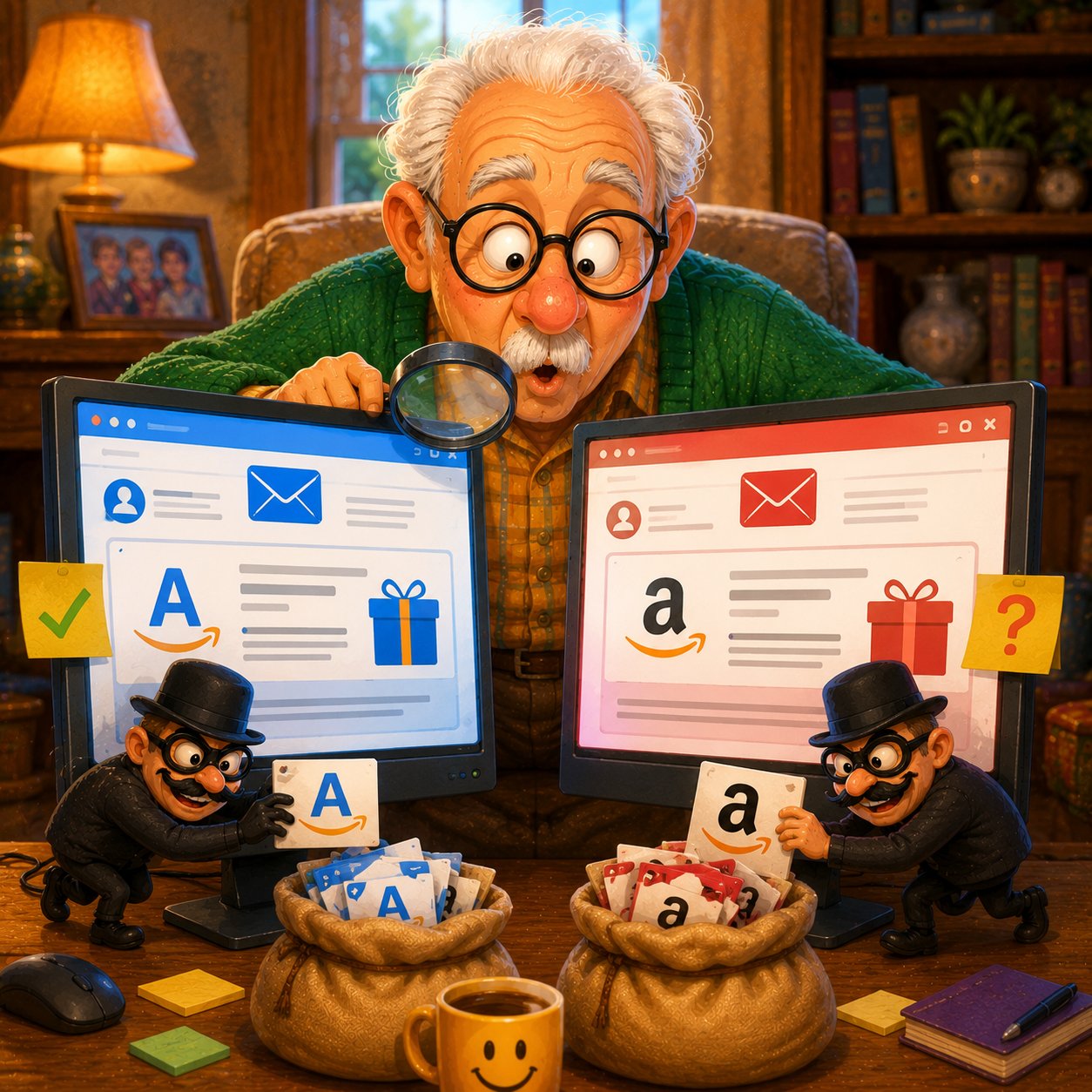
2. The Sender Address Still Matters Most
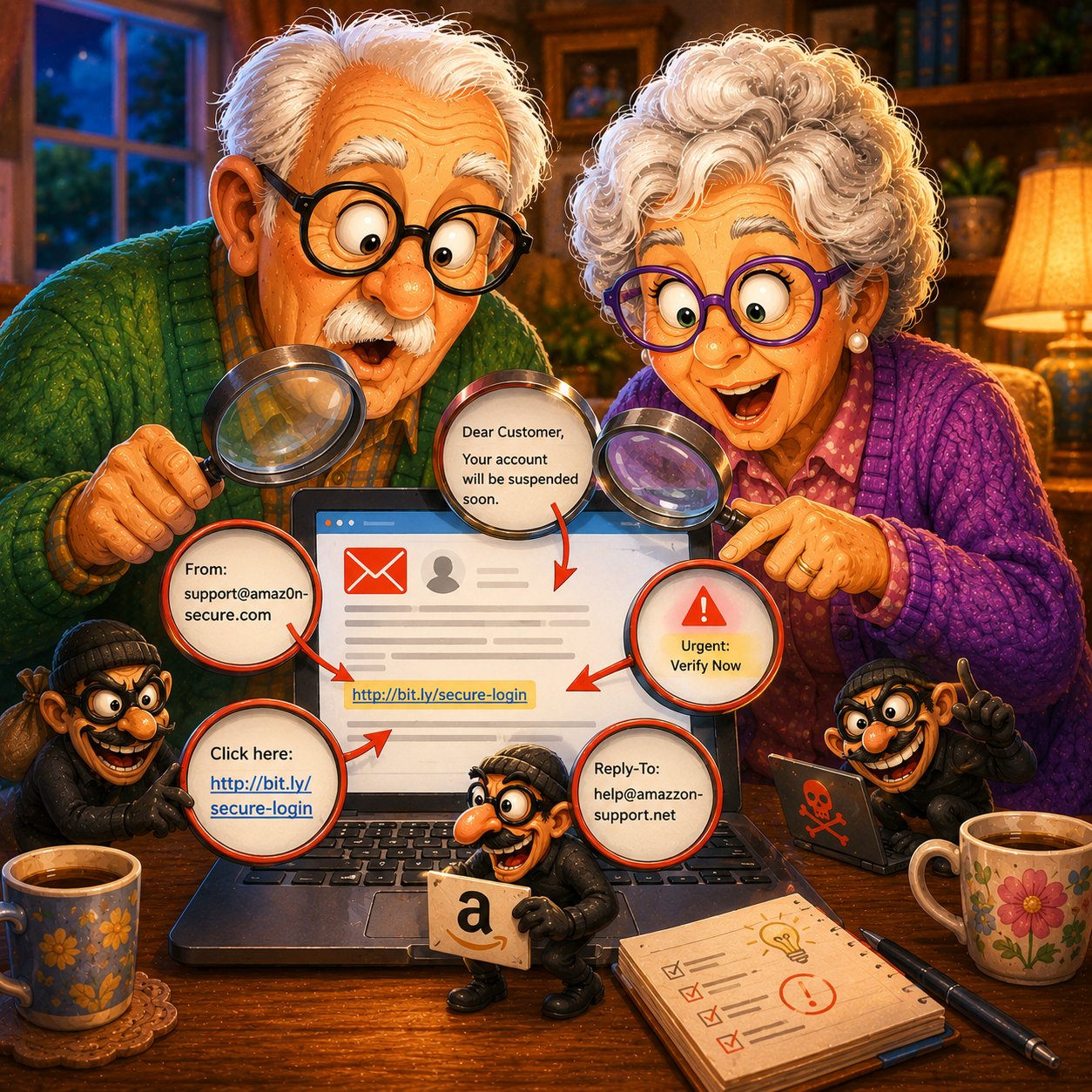
Even convincing emails often reveal themselves through the sender address.
✔️ Try This:
Tap or hover over the sender information and inspect it carefully.
Watch for:
extra letters
strange domains
unusual spelling
“Need a hand? Your friends at FriendlyHelp are just a click away—book your appointment today!
3. Fake Emails Often Create Small Mistakes
Scam emails may include:
awkward wording
strange formatting
unusual urgency
generic greetings like “Dear Customer”
✔️ Try This:
Read slowly instead of skimming quickly.
4. Links May Lead Somewhere Different
A button may SAY one thing…
…but secretly lead elsewhere.
✔️ Try This:
Avoid clicking directly from suspicious emails.
Instead:
open your browser yourself
visit the official website manually
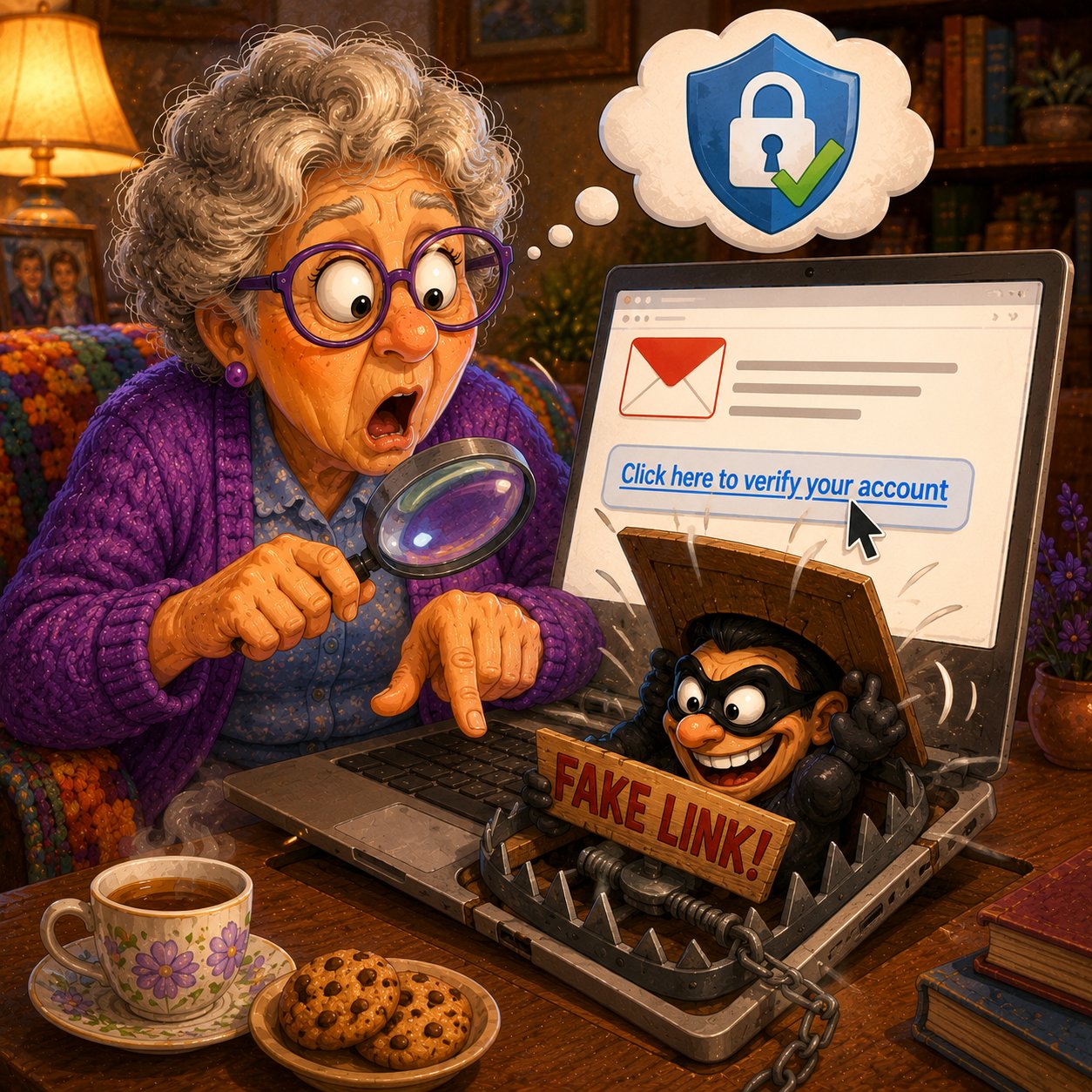
5. Scammers Often Pretend There’s a Problem
Fake emails commonly claim:
your payment failed
your account is locked
suspicious activity was detected
This creates pressure and fear.
✔️ Rule:
Never trust urgency alone.
6. Attachments Can Be Dangerous Too
Some fake emails include:
fake invoices
fake receipts
fake documents
✔️ Try This:
Avoid opening unexpected attachments from unknown senders.
7. Trust Your Instincts
If something feels:
strange
rushed
slightly off
pause before acting.
✔️ Tip:
Confusion and urgency are often warning signs.
FAQ
Q1: Why are scam emails more convincing now?
Scammers copy real company designs and branding.
Q2: Can scammers fake logos?
Yes — logos are easy to copy.
Q3: What’s the safest habit?
Visit websites manually instead of clicking email links.
The 6 Smart Email Safety Habits
• Check sender addresses carefully
• Read slowly
• Avoid suspicious links
• Ignore pressure tactics
• Be cautious with attachments
• Trust your instincts
FriendlyHelp helps make online safety feel less intimidating — because small details often reveal big scams.
